Why Quartz Countertops Are Taking Over Modern Kitchens
Walk into any newly renovated kitchen, and chances are you’ll spot gleaming quartz countertops. Their popularity is no accident. These surfaces offer a rare combination of beauty, strength, and low maintenance that makes them a favorite among homeowners and designers alike. But behind the clean lines and polished finish is a fascinating story of engineering, aesthetics, and endurance.
Quartz countertops aren’t made from slabs of solid quartz, as the name might suggest. Instead, they are engineered stone surfaces, typically composed of around 90 to 95 percent crushed natural quartz combined with polymer resins and pigments. The result is a nonporous, durable material that mimics the look of natural stone while eliminating many of its drawbacks.
Design Flexibility That Delivers
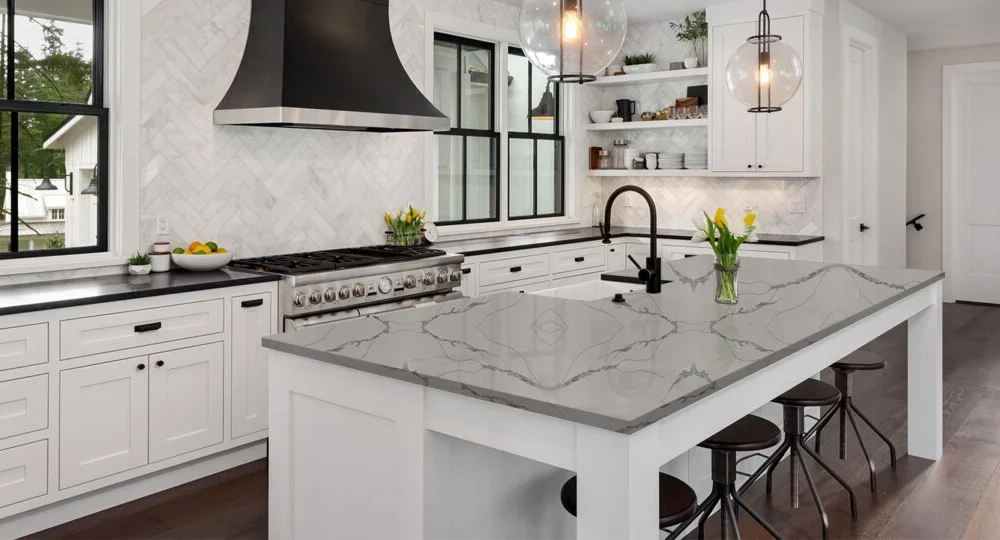
One of the key reasons for quartz’s rise in popularity is the design flexibility it offers. Since the surface is engineered, it can be produced in a wide range of colors and patterns. Whether you’re after the timeless look of Carrara marble, the soft shimmer of concrete, or bold, veined patterns with dramatic contrast, quartz can deliver—all without the imperfections or inconsistencies of natural stone.
This consistency is especially appreciated by homeowners looking for a clean, uniform appearance across their kitchen or bathroom surfaces. With quartz, you know exactly what you’re getting, down to the pattern and polish.
Strength Beneath the Surface
While the appearance might draw people in, it’s the performance that seals the deal. Quartz countertops are exceptionally hard and resistant to scratches and stains. Unlike granite or marble, quartz does not require sealing because it’s nonporous. That means coffee, wine, tomato sauce, and other common kitchen spills are less likely to leave a lasting mark.
Quartz is also heat resistant, though like any countertop, it’s wise to use trivets or hot pads to prevent potential damage from prolonged heat exposure. The material holds up well in high-traffic kitchens, making it ideal for families or avid home cooks who need something that works as hard as they do.
Maintenance Made Easy
Homeowners are often surprised by how easy quartz is to care for. Daily maintenance usually involves nothing more than wiping it down with a mild soap and water solution. There’s no need for special cleaners or polishing routines. And since it doesn’t harbor bacteria or mold, it’s a hygienic choice for food prep areas.
That said, it’s still important to avoid harsh chemicals like bleach or abrasive scouring pads, which can damage the resin binders and dull the finish over time.
How Long Do Quartz Countertops Last?
Durability is one of the biggest selling points of quartz. So naturally, many people ask: how long do quartz countertops last? The answer is impressive. When properly maintained, quartz countertops can last decades—often 20 to 30 years or more.
In fact, many manufacturers offer warranties ranging from 10 to 25 years, a reflection of their confidence in the product’s longevity. These surfaces are engineered to resist the common culprits of wear and tear, including stains, scratches, and even chipping. Of course, like any investment, their lifespan depends on how they’re treated. Proper care can extend their life significantly.
So, if you’re wondering how long do quartz countertops last compared to other materials, they hold up remarkably well—often outlasting laminate, butcher block, and even some types of granite under normal household use.
A Sustainable Choice?
As sustainability becomes a growing concern for many homeowners, quartz is gaining attention as a relatively eco-friendly option. Many quartz manufacturers now incorporate recycled materials into their surfaces, including mirror fragments, glass, and leftover natural stone. Some even use plant-based or low-VOC (volatile organic compound) resins to reduce environmental impact.
Additionally, because quartz is engineered and consistent in quality, there’s less waste involved in the fabrication and installation process. That translates to fewer discarded slabs and more efficient use of resources.
A Few Things to Keep in Mind
While quartz has many advantages, it’s not entirely without drawbacks. It tends to be more expensive than laminate or tile, and prices can climb depending on the brand, pattern complexity, and edge treatments. It’s also not ideal for outdoor use, as prolonged exposure to sunlight can cause discoloration or warping.
And while quartz resists many forms of damage, it’s not indestructible. Chips can occur, especially around edges or if a heavy object is dropped. However, these are usually repairable with the help of a professional.
The Bottom Line
Quartz countertops are a modern solution for people who want a balance of form and function. They combine the luxurious appearance of natural stone with the reliability and low maintenance of an engineered product. Whether you’re remodeling a kitchen, upgrading a bathroom, or designing a new home from scratch, quartz offers a smart, stylish, and long-lasting choice.
In a market full of options, it’s easy to see why quartz continues to lead the pack. With countless designs, robust durability, and an impressive lifespan, it’s not just a trend—it’s a transformation in how we think about surfaces.