

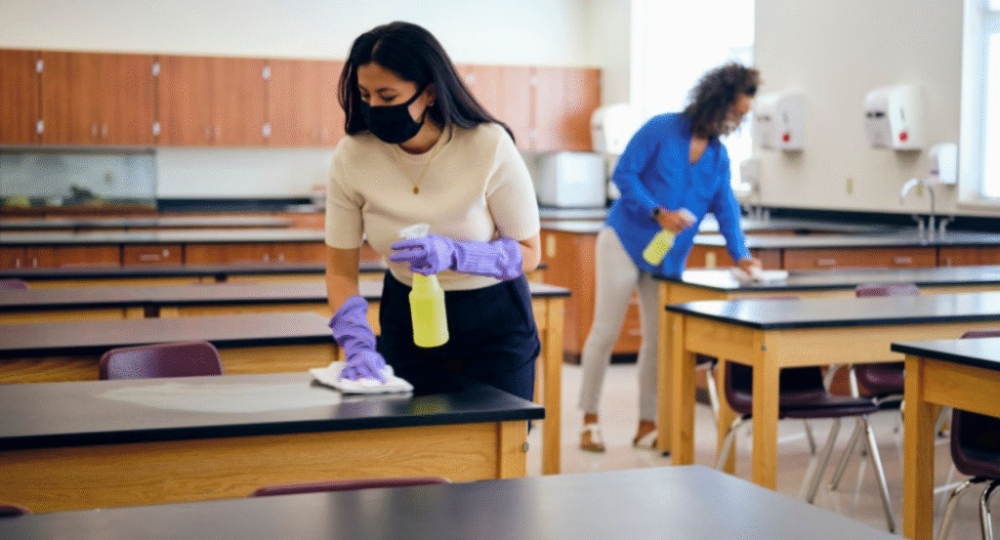
Ensuring A Safe Learning Environment With Professional School Disinfection Services
The Importance of Cleanliness in Schools: More Than Just Appearances
Understanding the Impact of a Healthy Environment on Student Performance
Cleanliness in educational institutions extends beyond superficial tidiness; it significantly shapes the learning environment, impacting both students’ physical health and academic achievement. Studies have shown that a clean and well-maintained classroom can contribute to improved focus and cognitive function among students. For instance, schools that prioritized cleanliness reported fewer instances of absenteeism due to illness, leading to enhanced academic performance. As contaminants such as viruses, bacteria, and allergens become minimized in clean environments, students are less likely to suffer from ailments that hinder their ability to engage fully in lessons. The link between a well-maintained environment and academic success is compelling, emphasizing that educational facilities must prioritize cleanliness as a fundamental pillar of their operational policies.
Psychological Benefits of a Clean Learning Space
The psychological implications of a clean learning environment are profound. Research underscores the role of cleanliness in influencing students’ mental health and attitude toward learning. A tidy and structured space reduces distractions and stress, while simultaneously promoting a sense of safety and belonging. Moreover, students often report feeling more inspired and motivated to learn in environments that are orderly and hygienic. This emotional aspect is vital, as students with higher levels of motivation tend to participate more actively in their education, leading to improved outcomes. Regular school cleaning and disinfection can also instill a sense of pride among students, fostering a culture of responsibility and respect for their shared space. In essence, creating a clean educational environment not only promotes health but also cultivates a positive school culture that encourages students to thrive academically and socially.
Professional Disinfection Services: What to Expect
Innovative Techniques Used in School Disinfection
Professional school disinfection services employ cutting-edge techniques designed to eradicate pathogens effectively while being safe for students and staff. Innovations such as electrostatic spraying, which utilizes charged particles to coat surfaces evenly, have revolutionized how schools approach cleanliness. This technology ensures that even hard-to-reach areas receive sufficient coverage with disinfectant, effectively neutralizing viruses and bacteria. Additionally, ultraviolet (UV) light disinfection systems are also gaining popularity, as they can destroy microorganisms without the use of harsh chemicals, providing a safer option for sensitive environments like schools. The implementation of these advanced technologies not only boosts the effectiveness of cleaning protocols but also enhances the overall perception of the safety and hygiene within the school. Comprehensive training and adherence to safety guidelines ensure that these methods deliver maximum efficacy while minimizing risks to students and staff.
The Role of Trained Professionals in Ensuring Efficacy
While the techniques utilized in disinfection are essential, the expertise of trained professionals cannot be overlooked. Disinfection requires knowledge of appropriate chemicals, application techniques, and safety measures. Professionals understand the nuances of different materials and surfaces within school environments; for example, the disinfection needs of technology-driven classrooms may differ from that of traditional lecture halls or gymnasiums. Moreover, experienced personnel are versed in the latest health guidelines, ensuring compliance with regulations set forth by authorities such as the Centers for Disease Control and Prevention (CDC) and local health departments. Their attention to detail and dedication to cleanliness ensures that every corner of the school is effectively sanitized, leading to an overall enhancement of the health environment. By relying on professional service providers, schools can rest assured that they are addressing health and safety needs comprehensively, affording peace of mind to educators, parents, and students alike.
Creating a Disinfection Plan: Tailoring Services to Your School’s Needs
Assessing High-Traffic Areas and Touchpoints
Every school has its unique layout and traffic patterns, necessitating a customized approach to disinfection. High-traffic areas, including hallways, cafeterias, bathrooms, and classrooms, often require more frequent attention to mitigate the spread of germs. Touchpoints—areas frequently handled by many individuals—such as doorknobs, light switches, computers, and desks—are hotspots for germ transmission. By conducting a thorough assessment, schools can identify specific areas that require heightened disinfection efforts. Such evaluations inform a targeted strategy that prioritizes the most challenging spaces, enabling optimal use of resources and time. Additionally, surveying staff, students, and parents about perceived problem areas can yield valuable insights that enhance the disinfection plan’s effectiveness. The goal is to create a tailored disinfection schedule that aligns with school activities and mandates, ensuring high-touch areas are routinely sanitized for maximum health benefits.
Scheduling Routine Disinfection: Finding the Right Balance
Routine disinfection scheduling is essential to maintaining a consistently healthy school environment, but finding the right balance between frequency and operational disruption is key. Following an assessment, schools can opt for a disinfection routine that considers various factors, such as the school’s size, the number of students, and operational hours. For example, high-traffic areas may warrant multiple cleanings throughout the day, especially during flu season or amid rising health concerns. Conversely, less frequented spaces can be serviced less frequently to optimize resource allocation. A dynamic disinfection schedule that adapts to specific circumstances, such as increased absenteeism or outbreaks, demonstrates a proactive approach to health and safety. Planning should also consider the timing of disinfection tasks, ensuring that cleaning takes place during off-hours or between classes to minimize interruptions while maximizing overall effectiveness.
Involving the Community: Engaging Stakeholders in School Hygiene Initiatives
Educating Parents and Students on Hygiene Practices
To enhance the overall effectiveness of disinfection efforts, schools should actively engage parents and students in hygiene initiatives. Education plays a central role in fostering a culture of health and safety. Schools can host workshops, create informational pamphlets, or utilize newsletters to share knowledge about hygiene practices that can be easily implemented at home and during school hours. Topics may include the importance of handwashing, proper etiquette for coughing and sneezing, and the significance of keeping personal belongings organized and clean. When parents are involved and informed about hygiene practices, they can reinforce these messages at home, creating a unified approach to cleanliness. This communal effort not only empowers students to take personal responsibility for their health but also instills a greater sense of community well-being, further supporting the school’s disinfection initiatives.
Building Partnerships with Local Health Organizations
Forming strategic partnerships with local health organizations can amplify the impact of school hygiene initiatives, providing access to resources, expertise, and additional educational opportunities. Collaborations with health departments or community organizations enable schools to stay informed about best practices in health and sanitation. These partnerships can facilitate workshops that teach students and families about disease prevention, nutrition, and general wellness, creating a comprehensive approach to health education. Furthermore, local health agencies often have access to larger public health initiatives and funding opportunities that can help schools enhance their disinfection capabilities. By leveraging external expertise and resources, schools can build robust hygiene programs rooted in credible data and best practices, ultimately fostering healthier environments for students, educators, and communities at large.
FAQ
Question: What additional benefits do professional disinfection services provide beyond cleaning? – Professional disinfection services not only clean surfaces but also target and eradicate germs effectively, contributing to enhanced overall health and safety within the school environment.
Question: How often should schools conduct disinfection services? – Frequency of disinfection services should be determined based on the school’s size, traffic patterns, and specific health concerns, with high-risk and high-traffic areas requiring more frequent attention.
Question: What should schools consider when assessing high-traffic areas for disinfection? – Schools should evaluate the frequency of use, types of surfaces, and previous instances of illness to prioritize which areas need more intensive and regular disinfection.
Question: Can schools perform their own disinfection, or should they always hire professionals? – While schools can implement basic cleaning practices, hiring trained professionals ensures compliance with health guidelines and the use of effective disinfection techniques tailored to each unique environment.
Question: What role do parents play in supporting school disinfection efforts? – Parents can support disinfection efforts by reinforcing hygiene practices at home, participating in educational initiatives, and staying informed about the school’s cleaning measures and health policies.
Question: How can schools measure the effectiveness of their disinfection efforts? – Effectiveness can be measured by monitoring absenteeism rates, conducting regular assessments of high-touch areas, and soliciting feedback from students and staff regarding perceived cleanliness.
Question: Are there specific disinfection methods recommended for classrooms with technology? – Yes, disinfection methods for technology-driven classrooms often require the use of disinfectants that are safe for electronics, alongside careful attention to avoid damage to devices while ensuring a thorough cleaning.
Question: What types of training should staff receive regarding school disinfection? – Staff should receive training on proper cleaning techniques, effective use of disinfectants, safety protocols, and current health guidelines to enhance the effectiveness of disinfection efforts in schools.
Useful Resources
- Centers for Disease Control and Prevention (CDC)
- World Health Organization (WHO)
- National Association of State Boards of Education
- National Institute of Environmental Health Sciences
- S. Department of Education
- Children’s Health Defense
- gov
- American Public Health Association


