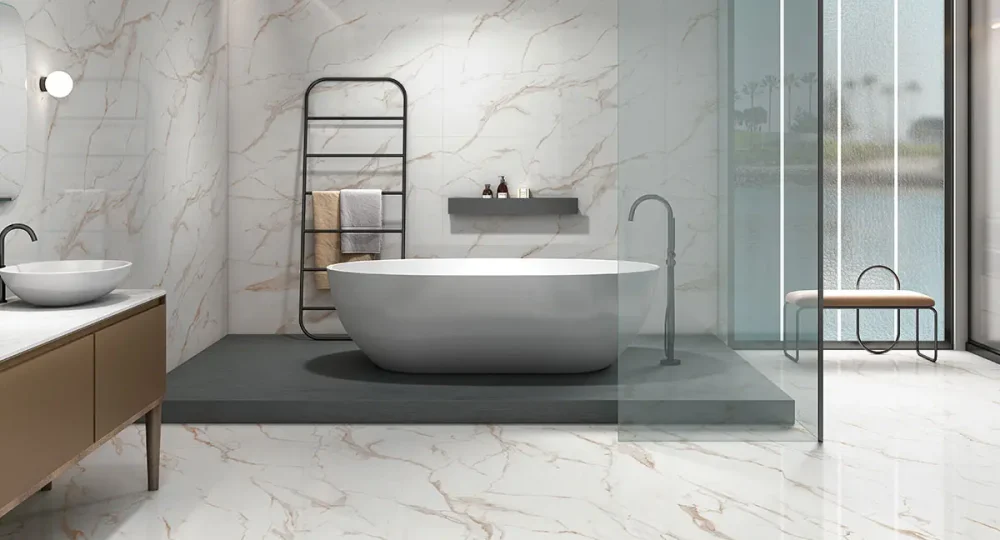
Natural Material Pairings for Contemporary Bathrooms
The modern bathroom has transitioned from a purely utilitarian space into a sanctuary for wellness and relaxation. Central to this evolution is the move away from cold, synthetic surfaces toward the warmth and texture of organic elements. Contemporary design now favors a sophisticated palette of natural material pairings that evoke a sense of grounding and tranquility. By carefully balancing the weight of stone, the warmth of wood, and the raw appeal of metals and clay, homeowners can create a space that feels both timeless and cutting-edge.
The Synergy of Raw Stone and Warm Wood
One of the most successful pairings in contemporary bathroom design is the juxtaposition of natural stone and high-quality timber. This combination addresses the inherent sensory needs of a bathroom: stone provides the necessary durability and water resistance for wet areas, while wood breaks the visual monotony and prevents the room from feeling sterile.
When selecting stone, options such as honed marble, slate, or travertine offer distinct tactile experiences. Honed marble, with its matte finish, feels softer and more modern than its polished counterpart. When paired with a light oak or a deep walnut vanity, the grain of the wood complements the veining of the stone. This creates a visual dialogue between two different types of geological and biological history. To ensure longevity, the wood must be properly treated for high-moisture environments, often using marine-grade finishes or naturally oily woods like teak.
Industrial Concrete Meets Organic Linens and Textiles
Concrete has moved beyond its brutalist roots to become a staple of contemporary organic design. Its seamless, monolithic appearance provides a perfect backdrop for softer, natural textures. A concrete basin or a micro-cement wall finish offers a neutral, cool-toned base that highlights the intricate weave of natural fibers.
To balance the architectural weight of concrete, designers often introduce heavy linens, jute rugs, and waffle-weave cotton towels. This pairing is particularly effective because it plays with the concept of hard and soft. The porous, matte look of concrete mirrors the unrefined beauty of raw flax linen. By incorporating wooden accents or hand-woven baskets into this mix, you can soften the industrial edges of the concrete, resulting in a space that feels curated rather than manufactured.
Matte Black Metal and Natural Terracotta
While contemporary design often leans toward a neutral palette, the introduction of terracotta brings a much-needed warmth and earthiness to the bathroom. Terracotta tiles, whether in a traditional square format or a modern hexagonal shape, provide a rich, burnt-orange hue that feels deeply connected to the earth.
The secret to making terracotta look contemporary rather than rustic lies in the hardware. Pairing these clay-based materials with sleek, matte black metal fixtures creates a striking high-contrast look. The black metal acts as a frame, sharpening the organic edges of the clay and giving the room a sense of definition. This pairing works exceptionally well in walk-in showers where the warmth of the tile makes the space feel more inviting, while the dark metal shower head and controls add a touch of modern luxury.
Glass, Water, and River Stone
In modern design, transparency is a material in itself. Large-pane glass enclosures allow for an unobstructed view of the natural textures within the room, making the bathroom feel larger and more cohesive. A particularly effective pairing involves the use of river stones or pebbles beneath a glass-enclosed shower floor or as a decorative border around a freestanding tub.
The smooth, rounded edges of river stones, shaped by water over centuries, reinforce the purpose of the bathroom. When seen through clear glass and illuminated by soft lighting, these stones create a spa-like atmosphere. This combination emphasizes the element of water, allowing it to interact with the materials in a way that feels intentional and rhythmic.
Brass Accents and Unrefined Marble
Unrefined or “leathered” marble is gaining popularity over traditional polished surfaces. This texture retains the natural pits and ridges of the stone, offering a more authentic feel. To elevate this raw material, designers often turn to unlacquered brass.
Unlike chrome or stainless steel, unlacquered brass is a living finish. It develops a patina over time, darkening and changing in response to use and the environment. This aging process mimics the natural weathering of stone. When placed against a slab of Calacatta or Carrara marble, the gold tones of the brass draw out the warmer undertones of the stone’s veining. This pairing feels luxurious yet grounded, as both materials will evolve and grow more beautiful as the years pass.
Implementing Bio-Philic Elements with Cork and Slate
Biophilic design—the practice of connecting human environments to the natural world—is a cornerstone of the contemporary bathroom. Slate, with its dark, moody tones and flaky texture, provides an excellent foundation for this. However, slate can feel cold underfoot.
To solve this, many are turning to cork. As a natural, renewable material harvested from the bark of cork oak trees, cork is naturally antimicrobial and water-resistant. It is also a natural insulator, making it warm to the touch. Pairing dark slate wall tiles with a cork floor or cork-fronted cabinetry creates a forest-floor aesthetic that is both sustainable and physically comfortable. Adding live greenery, such as ferns or air plants, completes this material trio, bringing oxygen and vibrant color into the sanctuary.
Essential Considerations for Natural Material Integration
When working with natural materials, it is important to remember that they are often more porous than their synthetic counterparts. Success lies in the preparation and maintenance.
-
Sealing: All natural stones and woods must be sealed with high-quality, non-toxic sealants to prevent staining and water damage.
-
Lighting: Natural materials have depth that synthetic surfaces lack. Use layered lighting, such as recessed LEDs and pendant lights, to cast shadows that highlight the textures of stone and wood grain.
-
Scale: In a contemporary space, less is often more. Choose one or two dominant materials and use others as accents to avoid a cluttered visual environment.
By focusing on these pairings, the contemporary bathroom becomes more than just a room; it becomes a curated collection of the earths finest textures, providing a daily retreat from the digital and synthetic world.
Frequently Asked Questions
How do I prevent wood from rotting or warping in a high-moisture bathroom?
The key is selecting the right species and the right finish. Woods like Teak, Ipe, and Cedar are naturally resistant to moisture due to their high oil content. Additionally, using a penetrating sealer or a marine-grade varnish ensures that water cannot reach the fibers. Proper ventilation via a high-CFM exhaust fan is also essential to reduce ambient humidity.
Is natural stone harder to clean than ceramic or porcelain tile?
Natural stone does require more specific care. You must avoid acidic cleaners like vinegar or lemon juice, as these can etch the surface of stones like marble and limestone. Instead, use pH-neutral cleaners designed for stone. While it requires a bit more intentionality, the aesthetic longevity of stone often outweighs the extra care.
Can cork really handle the wet environment of a bathroom floor?
Yes, cork contains a natural substance called suberin, which makes it resistant to mold, mildew, and rot. When used in bathrooms, cork flooring is usually finished with a tough polyurethane coating to create an impermeable barrier. It is a highly durable and soft alternative to traditional tile.
Will unlacquered brass stain my stone surfaces?
If water is allowed to sit on brass and then run onto a light-colored, unsealed stone, it can occasionally leave a slight mineral ring or greenish tint. However, if your stone is properly sealed and you perform basic regular cleaning, this is rarely an issue. Most homeowners who choose this pairing welcome the slight imperfections as part of the materials natural character.
What is the best way to incorporate concrete without it looking too dark?
Balance is achieved through lighting and color pairing. If you use a dark charcoal concrete, pair it with light woods like Ash or White Oak and use large mirrors to bounce natural light around the room. You can also opt for a light-grey micro-cement, which provides the texture of concrete while maintaining a bright, airy feel.
Are river stones difficult to maintain as a shower floor?
The stones themselves are incredibly durable, but the grout lines between them are more extensive than with large-format tiles. It is important to use a high-quality epoxy grout that resists staining and to seal the stones and grout annually. This prevents soap scum buildup and keeps the texture feeling clean underfoot.
Does integrating natural materials significantly increase the cost of a remodel?
Natural materials often have a higher upfront cost for both the product and the skilled labor required for installation. However, they are also highly valued in real estate and do not go out of style like trendy synthetic patterns. They are generally considered a long-term investment in the value and soul of the home.