

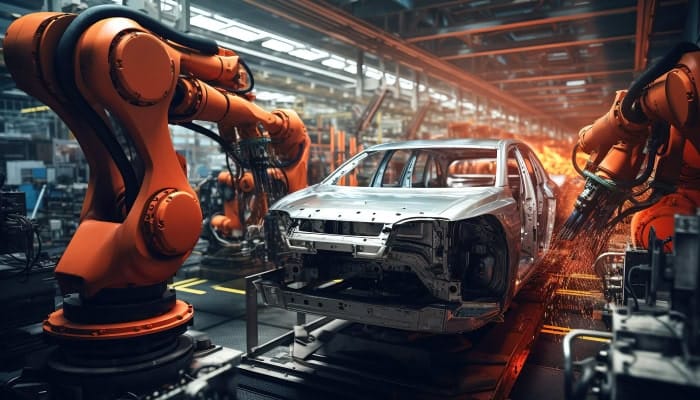
Workshop Workflow Automation Improving Repair Accuracy
The industrial and automotive repair sectors are currently undergoing a fundamental shift in operational philosophy. For decades, the precision of a repair was almost entirely dependent on the individual skill and memory of a technician. While craftsmanship remains vital, the increasing complexity of modern machinery—ranging from electric vehicles with intricate battery management systems to industrial robots with sensitive sensors—has made purely manual workflows prone to error. Workshop workflow automation has emerged as the definitive solution to this challenge, providing a digital framework that eliminates guesswork, standardizes procedures, and significantly elevates the accuracy of every repair.
The Foundation of Automated Diagnostics
In a traditional workshop setting, the diagnostic phase is often the most vulnerable to human error. A technician might misinterpret a sound, overlook a subtle fault code, or rely on outdated service manuals. Automation changes this dynamic by integrating intelligent diagnostic tools directly into the workshop management system. When a vehicle or machine enters the bay, automated scanners perform a comprehensive health check, pulling real-time data and comparing it against a global database of known issues and manufacturer specifications.
This automated data retrieval ensures that the technician starts with a 100% accurate picture of the asset condition. By identifying the root cause of a failure through algorithmic analysis rather than trial and error, workshops avoid the “parts cannon” approach, where components are replaced unnecessarily in hopes of fixing a vague problem. This precision at the start of the workflow saves time and ensures that the eventual repair addresses the actual mechanical or electronic deficit.
Standardized Digital Service Records and Checklists
Accuracy in a repair environment is often a byproduct of consistency. Automation allows workshops to implement dynamic, digital checklists that guide technicians through every step of a specific repair protocol. Unlike paper checklists, which can be checked off haphazardly, digital versions can be programmed to require specific inputs before the technician can proceed. For example, a system might require the input of precise torque values or the upload of a photograph showing a seated gasket.
These automated guardrails ensure that no step is skipped, regardless of the technician’s experience level or the busyness of the shop floor. Furthermore, these systems automatically archive the data into a permanent digital service record. This creates a transparent history of the asset, allowing future technicians to see exactly what was done, what parts were used, and what measurements were recorded. This continuity is essential for long-term repair accuracy, as it prevents contradictory fixes and allows for better trend analysis of recurring issues.
Real Time Parts Integration and Inventory Precision
One of the most common causes of repair inaccuracy is the installation of incorrect or substandard parts. In a manual system, the risk of a “close enough” part being used due to inventory confusion is high. Workflow automation solves this by linking the diagnostic output directly to the parts inventory and procurement system. Once a fault is identified, the system automatically identifies the exact part number required based on the specific serial number or VIN of the machine.
If the part is in stock, the system designates its location; if not, it initiates a purchase order. This automation ensures that the technician always has the precise component specified by the original equipment manufacturer. Moreover, automated systems can track the shelf life of perishable components, such as sealants or specialized lubricants, ensuring that no expired or degraded materials are used in a high-precision repair.
Enhanced Communication and Collaborative Accuracy
Large-scale repairs often involve multiple departments, from the front-of-house service advisors to the specialized technicians and quality control inspectors. Miscommunication during these handoffs is a leading cause of errors. Automation provides a “single source of truth” through a centralized dashboard. When a technician completes a phase of a repair, the system automatically notifies the next person in the chain.
This real-time updates feature ensures that everyone is working with the most current information. If a technician discovers an additional fault during a teardown, the automated system can pause the workflow, notify the customer for approval, and update the parts list simultaneously. This level of synchronization ensures that the final repair is exactly what was authorized and required, eliminating the risk of half-finished jobs or misaligned expectations.
The Role of IoT and Connected Tools
The future of repair accuracy is physically connected to the tools in the technician’s hand. In an automated workshop, high-precision tools such as digital torque wrenches and calipers are connected to the central workflow via the Internet of Things (IoT). When a technician performs a critical task, the tool itself can transmit the results directly to the service record.
If a bolt is under-torqued or over-torqued, the system can flag the error immediately, requiring a corrective action before the job is marked as complete. This level of automated quality control moves the inspection process from the end of the repair to the moment of execution. By catching errors in real-time, the workshop avoids the need for costly and time-consuming rework, ensuring that the machine is returned to the client in perfect working order the first time.
Precision Through Predictive Maintenance and Analytics
Workshop automation does not stop once the machine leaves the bay. By analyzing the data collected from thousands of automated repairs, the system can identify patterns that human observation might miss. If a specific component consistently fails earlier than expected under certain conditions, the software can update future maintenance schedules automatically.
This shift toward predictive maintenance is the ultimate form of repair accuracy. It allows workshops to fix potential issues before they lead to a catastrophic failure. By using historical data to refine current repair strategies, workshops can provide a level of service that is proactive rather than reactive, ensuring the highest possible reliability for the end-user.
Improving Technician Training and Retention
Automation often gets a bad reputation as a replacement for human skill, but in a workshop, it actually serves as a powerful training tool. By providing clear, data-backed guidance, automation allows junior technicians to perform complex tasks with high accuracy, effectively shortening the learning curve. For senior technicians, it removes the burden of administrative paperwork, allowing them to focus on the high-level problem solving that requires their expertise. A workshop that utilizes automation is generally less stressful and more efficient, leading to higher job satisfaction and lower turnover, which in turn preserves the institutional knowledge that is vital for consistent repair quality.
Frequently Asked Questions
Does workflow automation make repairs more expensive for the customer?
Initially, there is an investment cost for the workshop, but for the customer, it often leads to lower long-term costs. Because accuracy is improved, there are fewer “misdiagnoses” and a significantly lower rate of parts being replaced unnecessarily. Additionally, the reduction in rework means the job is done faster, often leading to lower labor charges.
Can automation handle older machinery that lacks digital sensors?
Yes. While modern machines provide more data automatically, workflow automation platforms are designed to handle “legacy” assets through manual digital entry. The technician follows the same standardized digital checklists and records measurements manually into the system, ensuring the same level of procedural accuracy even without direct IoT connectivity.
How does automation help with safety compliance?
Safety is a core component of repair accuracy. Automated workflows can mandate “Lock-Out, Tag-Out” procedures and safety checks at the beginning of every task. The system can prevent a technician from moving to the next repair step until they have digitally confirmed that all safety protocols have been met, creating a verifiable audit trail for compliance.
Will automation work in a small independent shop, or is it only for large dealerships?
Cloud-based workshop management software has made automation accessible to shops of all sizes. Smaller operations often benefit the most from automation because it allows a small team to handle a higher volume of work with the same level of precision as a large-scale facility, helping them compete on quality and reliability.
What happens if the workshop’s internet or power goes out?
Most modern automation platforms feature “offline modes” that allow technicians to continue following their checklists and recording data on local devices. Once the connection is restored, the data syncs back to the central server. This ensures that the workflow is not interrupted by technical glitches.
How does automation improve the accuracy of a warranty claim?
Warranty providers require meticulous documentation to approve a claim. Automation ensures that every diagnostic step, part used, and labor hour is recorded with timestamps and photographic evidence. This high level of accuracy makes the approval process much faster and reduces the likelihood of a claim being denied due to insufficient information.
Does an automated system require a specific type of hardware?
Most systems are designed to be hardware-agnostic, meaning they can run on standard tablets, smartphones, and computers. The most important factor is the software’s ability to integrate with the specific diagnostic tools and the inventory databases the workshop uses.


