The Transfer Case Explained: Your Guide To 4WD And AWD Power Distribution
The Intricacies of Transfer Case Design: What Makes It Tick?
Unlocking the Mechanisms: How Transfer Cases Work
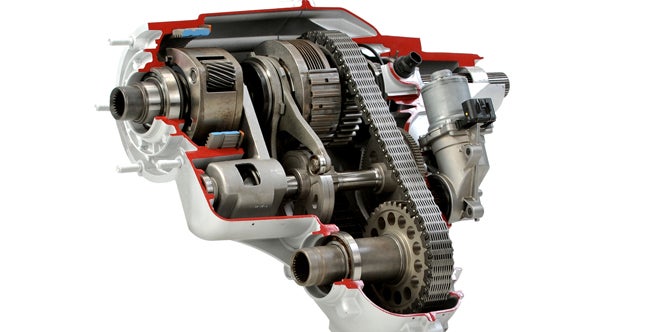
The transfer case is a vital component in four-wheel-drive (4WD) and all-wheel-drive (AWD) systems, acting as the interface that distributes power from the vehicle’s transmission to both the front and rear axles. This device is responsible for allowing the drive train to function optimally, making it essential for handling various driving conditions, including slippery or uneven terrain. The primary mechanism of a transfer case involves a series of gears, chains, and clutches that engage and disengage power to the wheels depending on the current driving scenario.
At its core, the transfer case operates by receiving rotational power from the transmission and channeling it through different gear ratios. These gear ratios can determine the vehicle’s power distribution, influencing torque, speed, and overall performance. Simple transfer cases utilize a basic chain system to transfer power, while more complex, modern transfer cases integrate electronic controls that intelligently adjust power delivery based on real-time data from sensors across the vehicle. This allows for enhanced adaptability and efficiency, making modern transfer cases a marriage of mechanical engineering and sophisticated technology.
Types of Transfer Cases: Which One is Right for Your Ride?
Transfer cases come in several configurations, each designed to cater to specific driving needs and preferences. The most common types are part-time, full-time, and active transfer cases. Part-time transfer cases are typical in trucks and SUVs, allowing the driver to switch between 2WD and 4WD manually. This design is beneficial for maintaining fuel efficiency during normal driving conditions while providing the necessary traction when 4WD is engaged.
Full-time transfer cases, on the other hand, distribute power to all four wheels at all times, which enhances traction in a variety of driving conditions. These systems usually have a center differential that helps manage the different rotational speeds between the front and rear axles, preventing binding during turns. Lastly, active transfer cases employ sophisticated electronic controls, using real-time data from vehicle sensors to dynamically distribute power. These systems enhance performance and stability, particularly in off-road or adverse weather conditions.
Choosing the right type of transfer case depends heavily on your vehicle usage. For those who frequently drive in adverse weather conditions or engage in off-roading, a full-time or active transfer case may be ideal. Conversely, if fuel economy is a priority and off-road use is rare, a part-time system could be the optimal choice.
Understanding Gear Ratios: The Science Behind Power Distribution
Gear ratios are integral to power distribution in a transfer case; they define the relationship between the input and output speeds of the system. Essentially, a high gear ratio allows for increased torque while sacrificing speed, making it particularly useful for off-road driving where traction is paramount. Conversely, a lower gear ratio can provide higher speeds at the expense of torque, which is more suitable for highway driving.
Most transfer cases feature low-range gearing, which provides additional torque for challenging scenarios, such as climbing steep inclines or traversing rough terrain. This low-range gearing significantly reduces the vehicle’s speed while enhancing its pulling power, allowing for better control and stability in difficult conditions. The science of gear ratios is pivotal not just in enhancing performance but also in ensuring that the vehicle operates efficiently across a range of environments.
An understanding of gear ratios not only aids in selecting the appropriate vehicle for your needs but also informs decisions regarding any potential modifications or upgrades. For instance, those who significantly alter their vehicle’s size or weight—such as adding larger tires—may need to recalibrate their transfer case’s gear ratios to maintain optimal performance.
Signs of Trouble: How to Identify Transfer Case Issues Early
Warning Lights and Sounds: Listening to Your Transfer Case
One of the first indicators of a malfunctioning transfer case is the presence of warning lights on your vehicle’s dashboard. Many modern vehicles are equipped with various sensors that monitor the transfer case’s performance. If these sensors detect irregularities, they will illuminate warning lights, alerting the driver to potential issues. Additionally, strange sounds can be a significant red flag. Grinding, clunking, or whining noises coming from the transfer case may signify a malfunction. These sounds can result from worn gears, insufficient lubrication, or failing components within the transfer case, each of which requires immediate attention to prevent further damage.
Fluid Leaks and What They Mean: A Deep Dive into Maintenance
Fluid leaks under your vehicle can indicate serious problems within the transfer case. The essential fluid within the transfer case not only lubricates the internal components but also aids in cooling. If there is a leak, the fluid level can drop to dangerous levels, leading to overheating and potential failure. Common sources of leaks include gaskets, seals, and even cracks in the housing. Observing any fluid spots—especially if they have a distinct color or odor—should prompt an immediate inspection to identify and remedy the source of the leak. Regular fluid checks and maintenance can help prevent these issues from escalating into costly repairs.
Tests and Diagnostics: How to Assess Your Transfer Case Health
To accurately assess the health of your transfer case, there are several diagnostic tests and procedures that can be conducted. Mechanics may perform a visual inspection to note any signs of damage or wear. Additionally, a fluid analysis can reveal the condition of the transfer case fluid, indicating whether it has suffered from overheating or contamination. More advanced diagnostics involve scanning the vehicle’s computer to retrieve any trouble codes related to the transfer case, offering insights into any existing or potential issues. Taking an active role in monitoring your transfer case’s performance can ultimately prolong its lifespan and functionality.
Transfer Case Maintenance: Best Practices for Longevity
Fluid Changes: The Lifeblood of Your Transfer Case
The fluid within your transfer case is often referred to as its lifeblood; it is essential for proper lubrication and cooling of internal components. Over time, this fluid can break down, leading to a decrease in its effectiveness and potentially causing damage to the transfer case. Routine fluid changes are crucial and should be conducted according to the manufacturer’s recommendations, typically every 30,000 to 50,000 miles, depending on driving conditions and vehicle type. It is also essential to use the appropriate type of fluid as specified in your vehicle’s owner manual, as using the wrong type can lead to serious performance issues.
Regular Inspections: Proactive Steps to Prevent Major Repairs
Proactive maintenance and regular inspections are critical in preventing significant repairs down the line. During routine vehicle servicing, have your mechanic conduct a thorough inspection of your transfer case, looking for signs of wear or damage. Regular checks of fluid levels, leaks, and component integrity can ensure that potential issues are addressed before they escalate. Moreover, practicing good driving habits, such as avoiding sudden power shifts during turns or excessive speed in low-range gearing, can considerably extend the lifespan of the transfer case and its components.
DIY vs. Professional Service: When to Call in the Experts
While some maintenance tasks, such as fluid changes, can be performed at home, understanding when to defer to professional expertise is vital. If you encounter signs of significant wear, unusual noises, or performance issues, consulting with a professional mechanic experienced in transfer case repairs is recommended. Professionals have access to specialized diagnostic tools and a wealth of experience in repairing or replacing transfer cases. However, maintaining an open line of communication with your mechanic about the nature of your driving habits and any performance changes can greatly improve the service you receive, ensuring that your vehicle receives the care it deserves.
Upgrading Your Transfer Case: Modern Enhancements and Benefits
High-Performance Transfer Cases: Upgrading for Off-Road Adventures
If you’re an enthusiast or frequently engage in off-road adventures, upgrading to a high-performance transfer case can significantly enhance your vehicle’s capabilities. These specialized transfer cases often feature superior gearing systems designed for extreme torque and power distribution, allowing for a greater degree of control on rugged terrain. High-performance transfer cases may also come with additional features such as faster engagement, improved locking capabilities, and enhanced durability, which can stand up to the rigors of off-road driving. Choosing a high-performance option can not only improve traction and stability but also enhance overall driving enjoyment.
Aftermarket Modifications: Customization for Peak Performance
Aftermarket modifications can take your vehicle’s performance to the next level. Custom modifications for the transfer case can include upgrades such as lowering or raising gear ratios, installing a slip yoke eliminator, or enhancing the drive shaft. Each of these modifications can enhance the transfer case’s performance for specific applications, whether it be improved towing capacity or greater off-road capabilities. Tailoring your transfer case to your specific needs can offer significant advantages, provided these modifications are carefully considered and executed correctly.
The Future of Transfer Cases: Technology Trends to Watch
As technology continues to evolve, transfer cases are becoming increasingly sophisticated. Future trends point toward further integration of electronic controls, improving their responsiveness and adaptability. Systems equipped with real-time data processing may soon automate the distribution of power not just based on driver input but also in response to road conditions, improving traction under a range of scenarios without the driver needing to intervene. Such advancements hold immense potential for drivers seeking greater control, safety, and efficiency—particularly as vehicles move toward the electrification of powertrains, where transfer cases will play a pivotal role in managing torque and power distribution effectively.
FAQ
Question: How often should I check the fluid in my transfer case? – It is recommended to check the fluid levels in your transfer case regularly, ideally during routine maintenance or every 30,000 to 50,000 miles, depending on the vehicle and driving conditions.
Question: Can a transfer case be repaired, or does it need to be replaced? – In many cases, a transfer case can be repaired, especially if issues are identified early. However, severe damage may necessitate a complete replacement.
Question: What are the signs that my transfer case needs professional attention? – Signs include persistent warning lights, unusual noises, fluid leaks, or difficulty engaging different drive modes. Recognizing these early can help prevent further damage.
Question: Are there specific tools required for transfer case maintenance? – Basic tools like wrenches and sockets for changing fluid are necessary. More advanced diagnostics may require specialized tools or equipment typically found in professional garages.
Question: How can I enhance my vehicle’s off-road capability through transfer case modifications? – Upgrading to a high-performance transfer case with improved gear ratios and locking features or modifying existing components can significantly enhance off-road performance.
Question: What type of fluid should I use in my transfer case? – Always refer to your vehicle’s owner’s manual for the correct type of fluid. Using the wrong fluid can cause severe performance issues and damage to the transfer case.
Question: How does a faulty transfer case affect my vehicle’s overall performance? – A malfunctioning transfer case can lead to poor power distribution, loss of traction, decreased fuel efficiency, and potentially catastrophic drivetrain failures if not addressed timely.
Question: Can I engage my transfer case while driving? – This depends on the type of transfer case. Part-time systems often require the vehicle to be stopped, while full-time and active systems can engage while in motion, but always refer to your owner’s manual to ensure safe operation.