Finding Solid Ground Again: How Rehab Facilities Support Real, Lasting Recovery
Recovery is rarely a straight line. For many people, it begins with a quiet realization that something has shifted, that daily habits feel harder to control, or that life has narrowed in ways that were not part of the plan. Rehab facilities exist to meet people in that moment, offering structure, guidance, and a path forward that feels possible again.
While the idea of entering treatment can feel overwhelming, understanding what rehab facilities actually provide can change the perspective entirely. These environments are not just about stopping a behavior. They are about rebuilding routines, restoring health, and helping people reconnect with themselves and the people around them.
What Rehab Facilities Really Offer Beyond Detox
At first glance, many people assume rehab is primarily about detox. While detox is an important first step, it is only one part of a much larger process. Rehab facilities are designed to support both the physical and emotional aspects of recovery, which often unfold over weeks or months.
The real value lies in the consistency and support provided each day. Structured schedules, access to trained professionals, and a community of peers all work together to create an environment where healing can take place. This level of support is difficult to replicate outside of a dedicated setting, especially in the early stages of recovery.
Medical Stabilization and Early Care
The initial phase of treatment often focuses on stabilizing the body and managing withdrawal symptoms safely. This stage can be physically demanding, depending on the substance involved and the duration of use. Having medical supervision ensures that individuals are monitored closely and supported through any complications that may arise.
More importantly, this phase creates a foundation for the rest of treatment. When the body begins to recover, the mind becomes more open to therapy and reflection. That shift is essential, because meaningful recovery requires both physical and psychological engagement. Without proper stabilization, it becomes much harder to move forward with clarity and focus.
Emotional Support From Day One
Even in the earliest days of treatment, emotional support plays a major role. Many individuals arrive feeling anxious, uncertain, or even resistant to the process. Rehab facilities address this by introducing counseling and peer interaction right away, helping individuals feel less isolated.
This early support can be surprisingly powerful. Simply talking with someone who understands the experience, whether a therapist or another patient, can begin to ease the pressure. Over time, these conversations build trust and open the door to deeper work that happens later in the program.
Different Types of Rehab Programs and How They Work
Not all rehab programs follow the same structure, and that is intentional. People enter treatment with different needs, backgrounds, and levels of support at home. Rehab facilities typically offer several levels of care to meet individuals where they are.
Understanding these options can help remove some of the uncertainty around treatment. It also allows individuals and families to make decisions that feel aligned with their situation, rather than assuming there is only one path forward.
Inpatient and Residential Treatment
Inpatient or residential programs provide the highest level of structure. Individuals live at the facility full time, which allows them to step away from daily triggers and distractions. This immersive environment creates space to focus entirely on recovery.
Daily life in residential care is structured but balanced. Patients attend therapy sessions, participate in group discussions, and engage in activities that promote physical and mental well being. Over time, this routine helps rebuild habits that support long term stability. It also allows individuals to practice new coping strategies in a safe setting before returning to everyday life.
Outpatient and Step Down Programs
For those who do not require full time care, outpatient programs offer flexibility while still providing support. These programs allow individuals to live at home while attending scheduled therapy sessions and check ins. This can be a good option for those with strong support systems or work responsibilities.
Step down programs often follow residential treatment, creating a gradual transition back to independent living. This approach helps bridge the gap between structured care and everyday life. By maintaining some level of accountability and support, individuals can continue building confidence as they regain independence.
Inside a Typical Day in Treatment
Many people wonder what daily life actually looks like in rehab. While each facility has its own approach, most follow a structured routine designed to balance therapy, rest, and personal growth.
This structure is not about control, it is about consistency. When days have a clear rhythm, it becomes easier to focus on progress rather than uncertainty. Over time, these routines help individuals rebuild a sense of stability that may have been missing.
Therapy as the Core of Recovery
Therapy is at the center of most rehab programs. Individual counseling sessions allow patients to explore personal experiences, identify patterns, and develop strategies for change. These sessions are often complemented by group therapy, where shared experiences create a sense of connection.
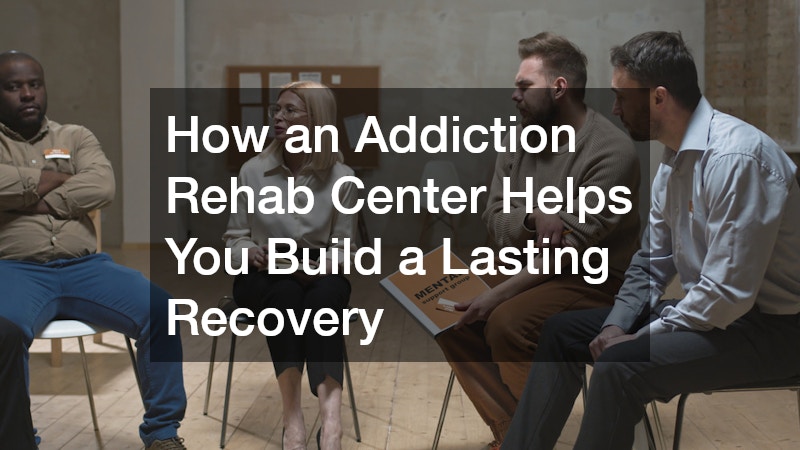
Group sessions can be especially impactful. Hearing others talk openly about similar challenges can reduce feelings of isolation and shame. It also creates opportunities to learn from different perspectives, which can be just as valuable as professional guidance.
Building Healthy Daily Habits
Beyond therapy, rehab facilities focus on helping individuals rebuild daily habits. This includes regular meals, consistent sleep schedules, and physical activity. These elements may seem simple, but they play a significant role in overall recovery.
Over time, these habits become part of a new routine that supports long term health. Patients begin to recognize how structure and self care contribute to emotional stability. This awareness often carries forward after treatment, helping individuals maintain progress in their everyday lives.
Addressing the Root Causes of Addiction
Recovery is not just about stopping substance use. It involves understanding the underlying factors that contributed to it in the first place. Rehab facilities are designed to explore these deeper layers in a supportive and structured way.
This process can be challenging, but it is also where meaningful change happens. By addressing root causes, individuals can begin to break patterns that may have been present for years.
Mental Health and Dual Diagnosis Care
Many individuals entering treatment are also dealing with mental health conditions such as anxiety, depression, or trauma. Rehab facilities often provide dual diagnosis care, which addresses both substance use and mental health simultaneously.
Treating these conditions together is essential for long term success. When mental health needs are overlooked, it becomes much harder to maintain recovery. Integrated care ensures that individuals receive comprehensive support that reflects their full experience.
Learning New Coping Strategies
One of the most important aspects of treatment is learning how to cope with stress, emotions, and triggers without relying on substances. Rehab programs introduce a range of tools, from mindfulness techniques to cognitive behavioral strategies.
These skills are practiced throughout treatment, often in real time situations. Over time, individuals begin to trust their ability to manage challenges in healthier ways. This shift builds confidence and reduces the likelihood of returning to old patterns.
Choosing the Right Rehab Facility
Selecting a rehab facility is a personal decision, and it can feel overwhelming at first. There are many factors to consider, from the level of care to the overall environment. Taking the time to explore options can make a significant difference in the experience.
It is also important to remember that there is no perfect choice. The goal is to find a program that aligns with individual needs and feels supportive enough to begin the process.
What to Look for in a Program
When evaluating options, it helps to look at the types of services offered, the qualifications of staff, and the overall approach to care. Some facilities emphasize medical support, while others focus more on holistic or therapeutic methods.
Reading about the program structure can also provide insight. Understanding how time is spent each day, what therapies are included, and how progress is measured can help set realistic expectations. This clarity often makes the decision feel less uncertain.
The Role of Environment and Comfort
The environment of a rehab facility can influence the overall experience more than people expect. A calm, supportive setting can make it easier to focus on recovery, while a chaotic or uncomfortable space can add stress.
For example, someone might find that this rehab facility offers a balance of structure and comfort that makes the process feel manageable. Feeling safe and supported in the environment allows individuals to engage more fully in treatment, which ultimately improves outcomes.
Life After Rehab and Continuing Support
Completing a rehab program is an important milestone, but it is not the end of the journey. Recovery continues long after leaving a facility, and ongoing support plays a key role in maintaining progress.
Rehab facilities often help individuals prepare for this transition by introducing aftercare plans. These plans are designed to provide structure and guidance during the next phase of recovery.
Transitioning Back to Daily Life
Returning to everyday life can bring both excitement and uncertainty. Familiar environments, routines, and relationships can present new challenges. Having a plan in place helps make this transition smoother.
This may include ongoing therapy, support groups, or regular check ins with counselors. These resources provide a sense of continuity, helping individuals stay connected to the progress they made during treatment.
Building a Sustainable Support System
Long term recovery is often supported by a network of people and resources. This can include family, friends, therapists, and peer groups. Building this network takes time, but it creates a foundation that supports lasting change.
Over time, individuals begin to rely on these connections instead of old habits. This shift is one of the most meaningful parts of recovery. It reflects a move toward stability, resilience, and a more balanced way of living.
Recovery is not about perfection. It is about progress, consistency, and finding new ways to move forward. Rehab facilities provide a space where that process can begin, offering guidance, structure, and support at every step. For those considering treatment, understanding what to expect can make the first step feel a little more within reach.