Essential Crane Parts: Understanding Their Functions And Importance In Construction
Key Takeaways:
- The boom is the primary structure of a crane, critical for lifting and moving heavy loads, with variations in design, such as telescopic and lattice booms.
- The angle of elevation of the boom significantly affects crane performance and load reach.
- The hoist is the primary lifting mechanism of a crane, translating mechanical energy into vertical movements, with various types including electric and manual hoists.
- Safety features like overload sensors are crucial for hoists to ensure operational safety.
- The swing mechanism allows a crane to rotate its boom and load, providing agility for precise material placement on construction sites.
- Outriggers provide stability and prevent tipping by distributing the crane’s weight over a larger area during operation.
- The hook is essential for connecting loads, with various designs that ensure safety and strength under load stress.
- Counterweights balance loads, preventing tipping and maintaining the crane’s center of mass, with strict weight calculations necessary for safe operation.
- Safety latches prevent accidental load disengagement, emphasizing the importance of rigorous maintenance and inspections.
- The load indicator provides real-time data on the weight being lifted, essential for preventing overload situations.
- The control system of a crane allows for the management of multiple functions, enhancing precision and safety, with remote operation capabilities in advanced models.
- Smart cranes integrate technology for real-time performance tracking and predictive maintenance, enhancing safety and operational efficiency.
- Eco-friendly components in crane design are focusing on sustainability, reducing carbon footprints through advanced materials and energy-efficient systems.
- Modular parts offer flexibility and customization in crane operations, allowing for easy adjustments based on project needs while simplifying maintenance.
Unpacking the Crane: A Journey Through Its Anatomy
The Boom: The Long Arm of the Law (and Construction)
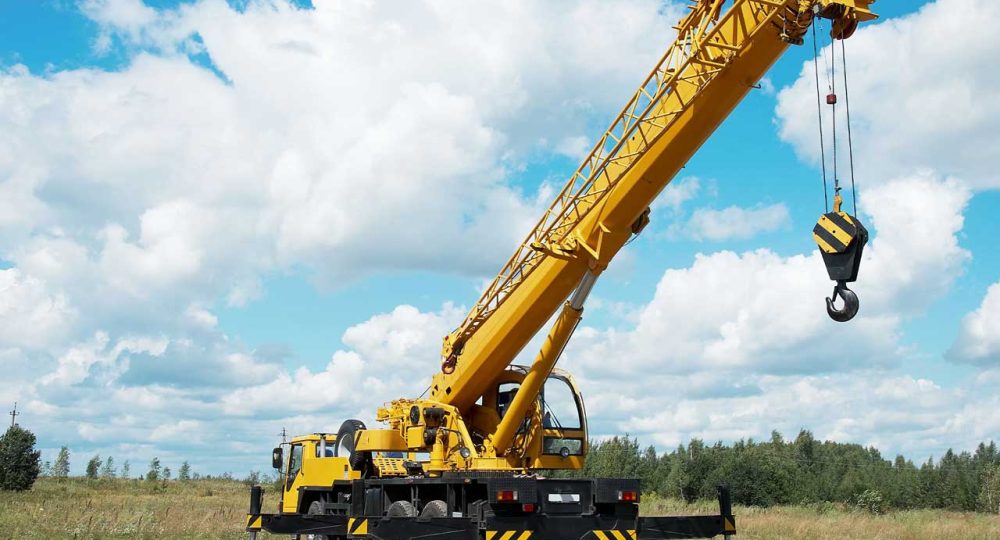
The boom is arguably the most distinctive and critical feature of a crane. It is the long, horizontal arm that extends from the base of the crane and serves as the primary structure for lifting and moving heavy loads. The design of a crane boom can vary significantly depending on the type of crane; for instance, telescopic booms can extend and retract in length, while lattice booms consist of interlinked plates or beams that add strength and flexibility. Understanding the engineering behind crane booms explains not only how weight is distributed but also how the boom can efficiently reach substantial heights and extend across vast distances to access construction sites that would otherwise be unreachable.
A key element of the boom’s functionality is its angle of elevation, which can heavily influence the performance of the crane. The angle determines how far the load can reach horizontally and vertically. Advanced cranes often feature computerized systems that optimize this angle dynamically during operation. The boom’s materials also play a significant role in its efficiency; lightweight yet strong materials such as steel or aluminum alloy are frequently used to reduce overall weight without compromising structural integrity. This balance between weight, reach, and stability is what impresses engineers and operators alike, making the boom not only a marvel of engineering but also integral to the safe and effective operation of cranes in bustling construction environments.
The Hoist: The Heartbeat of Lifting Power
When it comes to lifting heavy materials, the hoist is undoubtedly the cornerstone of a crane’s lifting capabilities. It is the mechanism that could best be described as the heartbeat of the crane, driving the vertical movements that are essential for construction projects. A hoist translates mechanical energy into useful work, lifting loads with systematic precision, often powered by electric or hydraulic systems. The various types of hoists—electric, manual, and pneumatic—each have distinctive advantages that suit specific operational needs, with electric hoists generally being favored for their efficiency and ease of use in modern construction.
The design and functionality of the hoist mechanization involve complex interplay between its components: the motor, gearbox, drum, and cables. This intricate system must operate at peak performance to ensure safety and reliability. For instance, if a cable were to snap due to fatigue or overload, the consequences could be disastrous. Thus, modern hoists are often equipped with safety features such as overload sensors and emergency brakes that activate if the load exceeds specified limits. Additionally, regular maintenance and inspections are critical to ensure that a hoist operates when performing the often strenuous and demanding task of lifting loads, ensuring safety and functional reliability across various construction scenarios.
The Swing Mechanism: The Dance of Precision and Control
The swing mechanism of a crane allows it to rotate its boom and load, providing the agility necessary for comprehensive operations on a construction site. This system comprises gears and motors that enable the boom to turn about the tower, facilitating the precise positioning of materials in areas that are otherwise inaccessible. The ability to pivot involves significant engineering, and understanding how the swing mechanism operates is crucial for crane operators seeking to maximize efficiency while minimizing risks.
One of the standout features of modern cranes is their ability to execute smooth and controlled rotations, allowing operators to maneuver loads without causing undue swing or momentum. Advanced cranes come equipped with sophisticated control systems such as hydraulic drives or electric oscillators that facilitate smoother transitions and more accurate placing of loads. Efficiency in the swing mechanism can directly impact the time and cost of construction projects; therefore, seamless operation is paramount for project managers and operators alike. Moreover, innovations such as computer-aided design (CAD) have allowed engineers to simulate crane movements and optimize swing mechanisms before ever hitting the job site, resulting in a markedly improved operational safety and performance.
Essential Components Every Construction Professional Should Know
The Outriggers: Stability’s Unsung Heroes
Outriggers are a vital safety feature of cranes that provide additional stability, especially when the crane is in operation. These are extendable legs that, once deployed, help distribute the weight of the crane over a larger surface area and act as stabilizers to prevent tipping. While they may appear as basic appendages, their role is critical, particularly when lifting heavy loads over substantial heights or distances. The mechanics behind outriggers involves advanced engineering to ensure they can handle significant stress without failing.
The interaction between outriggers and the load being lifted is a topic of extensive study within the field of crane operation. When utilizing outriggers, operators must adhere to strict guidelines regarding load limits and placement to ensure that the crane maintains balance and stability. For example, not properly extending outriggers can lead to unsafe operating conditions that could result in accidents or structural failures. As such, it is crucial for operators to undergo detailed training and have a thorough understanding of the different types of outriggers that exist—from fixed-support systems to those that can adjust to uneven ground. This awareness is crucial for ensuring not just compliance with safety regulations, but also efficiency, as proper use of outriggers can enhance operational performance dramatically.
The Hook: Small in Size, Mighty in Strength
As one of the simplest yet most crucial components of a crane, the hook is the link between the crane and the load being lifted. Hooks are engineered to handle substantial weights and to withstand the stresses experienced during lifts and movements. The manufacturing process of crane hooks involves high-strength steel to ensure safety and durability under pressure. Moreover, hooks can come with different designs, including clevis hooks, swivel hooks, or even locking mechanisms that provide added security while lifting.
Despite their small size relative to the crane, hooks must be selected carefully based on the type of materials being lifted, as the wrong hook can lead to dangerous mistakes. Weight ratings, compatibility with the load’s configuration, and the hook’s condition are key considerations in ensuring safety and effectiveness. Operators and riggers are trained to perform regular inspections on hooks, looking for signs of wear or deformation, which could indicate a potential failure point during lifting operations. This vigilance plays a crucial role in accident prevention on construction sites, underscoring the importance of recognizing the power inherent in what might initially seem like a minor component of crane hardware.
The Counterweights: Balancing Act – Weighting the Importance
Counterweights are among the most critical elements in ensuring a crane functions correctly and safely. They counterbalance loads, enabling cranes to lift heavy materials while maintaining their center of mass, thus preventing possible tipping. Typically, counterweights are made from dense materials such as concrete or steel and are positioned strategically on the crane to create stability and balance. The design of counterweights can vary widely based on the crane’s make and model, and their weight must be precisely calculated to correspond with the load being lifted to maintain equilibrium.
Operators must proficiently manage counterweights to ensure they are effectively utilized. Miscalculating weight distribution can lead to operational errors that could compromise the crane’s stability. For this reason, many advanced cranes come with built-in monitoring systems that assist operators in calculating the necessary counterweight adjustments needed for various lifts, enhancing both safety and efficiency. The dilemma of balancing counterweights against loads further emphasizes the necessity for operators to field extensive training to understand the dynamics of lifts fully. By mastering this balance, construction professionals significantly mitigate risks associated with crane operations and enhance productivity on the job site.
Safety First: Understanding the Critical Parts that Protect Lives
The Safety Latch: A Small Detail with Big Implications
Safety latches may seem like minor components when considering the complex machinery that cranes encompass; however, they play an instrumental role in load management. Often incorporated into the design of hooks, safety latches prevent unexpected load disengagement, which is paramount during operation. The design of these latches ensures that even when a load is moved or jostled, it remains securely attached until it is intentionally released.
Despite their simplicity, the effectiveness of safety latches relies on rigorous maintenance and inspection protocols. Construction professionals must ensure that latches are not obstructed, damaged, or malfunctioning, as neglect can lead to catastrophic failures and accidents. Regulations and standards in many crane parts of the world mandate inspections of safety latches, which is a testament to their importance in the overall safety culture that surrounds crane operations. Moreover, continuous advancements have led to the introduction of automatic locking mechanisms that further enhance their reliability, demonstrating how attention to detail in small components can have broad implications for workplace safety.
The Load Indicator: Your Crane’s Nervous System
A load indicator can be described as the crane’s nervous system, providing real-time data regarding the weight being lifted. This crucial component allows an operator to monitor loads, ensuring they do not exceed maximum limits. Load indicators are remarkable integrations of technology that utilize strain gauges, load cells, or hydraulic pressure sensors to deliver accurate readings—these instruments prevent instances of overload that could compromise safety, stability, and operational integrity.
Utilizing a load indicator requires proper training, as operators must interpret the readings accurately and promptly. This is integral not only for safeguarding the crane itself but also for protecting personnel on the job site. Furthermore, advanced models may feature programmable settings that provide alerts when approaching load limits, enhancing operator awareness. The presence of load indicators serves as a testament to the modern evolution of safety practices in the construction industry, highlighting how technological innovations continually push the envelope in reducing risks associated with heavy lifting.
The Control System: The Brain Behind the Operation
The control system of a crane is essentially its command center, enabling operators to manage functions ranging from lifting and lowering to swinging and extending. Advanced crane controls have evolved to incorporate sophisticated technology like electronic control units, joysticks, and computer interfaces that make operations more intuitive and precise. This technological sophistication allows for multifaceted controls, where operators can manage multiple movements simultaneously with fluidity.
Moreover, the modern control system often integrates remote operation capabilities, enabling operators to control cranes from a safe distance, enhancing workplace safety. This remote operation is crucial in high-risk environments where construction activities may pose dangers; broadening the scope of practical functions allows workers to maintain a safe perimeter. The continued advancement of control technologies—such as satellite communication and advanced algorithms—underscores a growing commitment to enhancing both operational efficiency and worker safety within the industry. As such, understanding the various aspects of crane control systems is essential for professionals looking to optimize performance on the job site.
Innovations in Crane Design: What the Future Holds
Smart Cranes: Embracing Technology for Enhanced Efficiency
The rise of smart technology has touched every industry, including construction, with cranes being a significant focus for integration of smart features. Smart cranes are equipped with sensors that track performance metrics like load weight, environmental conditions, and operational efficiency in real-time. This data allows for actionable insights that enable project managers to optimize resources, streamline workflows, and improve safety measures. Smart cranes can communicate with other devices on site, fostering a more cohesive approach to construction management.
The future will likely see even deeper integration of AI-driven analytics in crane operations, where predictive maintenance systems will alert operators to necessary repairs or adjustments before they become critical issues. Smart cranes promise to enhance not just efficiency and productivity, but also safety; operators will be increasingly able to make informed decisions quickly, which is vital in high-pressure construction environments. This intelligent approach to crane operations signifies a transformative shift in the industry that prioritizes innovative technology as a foundation for future developments.
Eco-Friendly Components: Building Towards a Greener Future
The importance of sustainability has garnered significant attention across various sectors, and the construction industry is no exception. The trend toward eco-friendly crane components is a direct response to the pressing need to reduce carbon footprints and environmental impact. Innovations in material technology have given rise to lighter, stronger components that require less energy for operation. For instance, utilizing composite materials or recycled metals can reduce resource depletion while enhancing overall functionality.
Furthermore, many cranes are now designed with energy-efficient systems, including hybrid or electric models that lessen reliance on fossil fuels. The future may see greater emphasis on energy recovery systems that harness kinetic energy during operations, thereby promoting sustainability in construction practices. Organizations that transition toward greener technologies not only align with environmental standards but also demonstrate awareness of social responsibility, thus appealing to increasingly eco-conscious clients and stakeholders.
Modular Parts: Redefining Flexibility in Construction
The modular approach to crane design offers unprecedented flexibility and customization opportunities within the construction landscape. Modular parts can be assembled and disassembled as needed, allowing cranes to adjust in capacity and function based on specific project requirements. This adaptability is particularly beneficial in complex construction scenarios where varied loads and heights are involved.
Modular components also simplify maintenance, as individual parts can be replaced without requiring extensive downtime for the entire crane. As technology continues to advance, manufacturers are working to create modular systems that incorporate smart features like sensors and monitoring systems, integrating them into a scalable model. The trend toward modularity is indicative of a paradigm shift aimed at optimizing productivity on job sites while maintaining high safety standards. In a world where construction projects are becoming increasingly diversified, the ability to customize crane functionality using modular components positions industry professionals to respond effectively to the demands of modern construction environments.
FAQ
Question: What types of cranes are commonly used in construction? – Cranes can vary widely in design and function, with common types including tower cranes, mobile cranes, crawler cranes, and truck-mounted cranes, each suited for specific tasks and terrains.
Question: How often should crane maintenance and inspections occur? – Regular maintenance and inspections should be conducted as per manufacturer recommendations, typically every 3 to 12 months, or more frequently if the crane is used in demanding conditions or heavy workloads.
Question: What safety certifications should crane operators have? – Crane operators should possess relevant certifications such as NCCCO (National Commission for the Certification of Crane Operators) in the U.S., ensuring they are trained and qualified to operate various types of cranes safely.
Question: What is the role of a rigger in crane operations? – A rigger is responsible for the preparation and handling of loads, ensuring they are secure and safe for lifting, and they play a vital role in effective crane operations to prevent accidents or mishaps.
Question: How do weather conditions affect crane operations? – Weather conditions such as high winds, rain, or snow can significantly impact crane safety and efficiency; cranes should not be operated in severe weather to prevent accidents and job site hazards.
Question: What advancements are being made in crane technology? – Innovations in crane technology include automation features, remote operation capabilities, and integration of AI for predictive maintenance, significantly enhancing safety and efficiency on construction sites.
Question: How is load capacity determined for cranes? – Load capacity is calculated based on several factors including the crane type, boom angle, radius, and counterweight configuration; operators must adhere to specified limits to ensure safe operation.
Question: What are the environmental considerations in modern crane design? – Modern crane designs often focus on sustainability, incorporating eco-friendly components, energy-efficient systems, and materials that reduce environmental impact, aligning with the industry’s goal to minimize carbon footprints.
Useful Resources
- Occupational Safety and Health Administration (OSHA)
- National Commission for the Certification of Crane Operators
- Cranes & Lifting Magazine
- Construction Instruments
- Construction and Building Materials (Journal)
- American Society of Civil Engineers
- Centers for Disease Control and Prevention (CDC) – Crane Safety
- S. Environmental Protection Agency (EPA) – Clean Ener