

Health Risks Associated with Tobacco Products
The use of tobacco products presents a significant public health challenge in many parts of the world, including Thailand. The health risks associated with these items are extensive and well-documented. From the moment smoke is inhaled or smokeless products are used, a cascade of harmful effects begins throughout the body. Understanding these dangers is the first step toward making informed decisions for a healthier life.
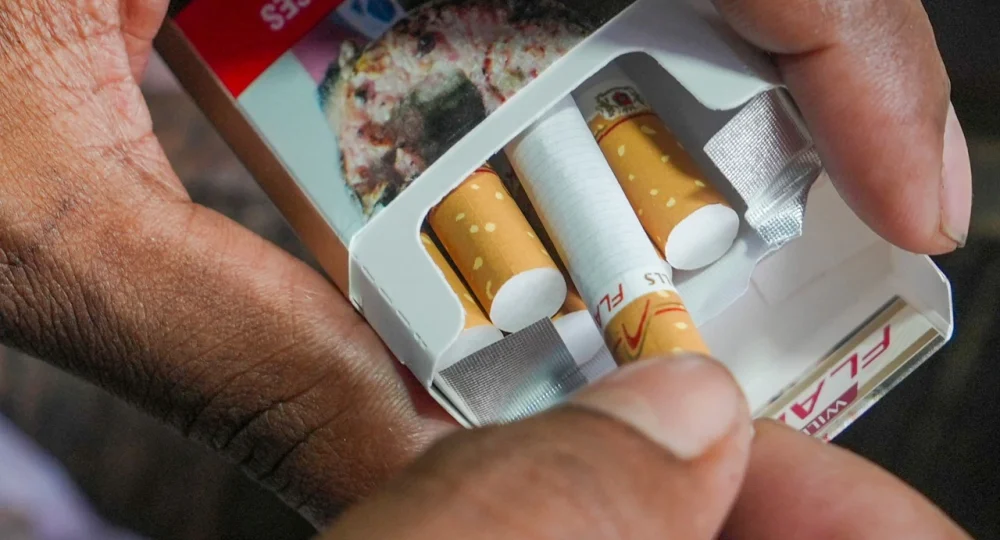
In Thailand, the issue of Tobacco (known as ยาสูบ in Thai) consumption is a serious concern. The government has implemented various measures over the years to curb its use, such as graphic warnings on packaging and restrictions on smoking in public places. Despite these efforts, many people continue to use these products, often starting at a young age. This habit exposes them to a cocktail of toxic chemicals that can lead to severe health complications.
The dangers of smoking are not limited to the person with the cigarette. Second-hand smoke poses a considerable threat to family members, coworkers, and anyone in the vicinity. This is particularly true for children and infants, whose developing bodies are more vulnerable to the poisons in the smoke. The conversation around tobacco use must include the well-being of the entire community, not just the individual user.
Cardiovascular diseases are among the most common conditions linked to smoking. The chemicals in cigarette smoke can damage the heart and blood vessels, increasing the risk of heart attacks and strokes. This happens because smoking contributes to atherosclerosis, a condition where plaque builds up in the arteries, narrowing them and restricting blood flow. Over time, this strain on the circulatory system can have fatal consequences.
Cancer is another major health risk. Smoking is the leading cause of lung cancer, but its destructive reach extends to many other parts of the body. Cancers of the mouth, throat, oesophagus, bladder, and pancreas are all strongly associated with tobacco use. The carcinogens present in these products directly damage cellular DNA, leading to uncontrolled cell growth and the formation of tumours.
Respiratory problems are an almost certain outcome for long-term smokers. Conditions like chronic obstructive pulmonary disease (COPD), which includes emphysema and chronic bronchitis, make breathing difficult and progressively worsen. The constant irritation from smoke inflames the airways and destroys the tiny air sacs in the lungs, diminishing a person’s quality of life substantially.
Choosing to quit is the single most effective way to reduce these health risks. The body has a remarkable ability to heal, and many of the negative effects can be reversed or slowed down once a person stops using tobacco. Support is available through various health organisations and community programmes across Thailand, offering guidance and resources to help people on their path to a smoke-free future.


